Water Environment Sanitation Hygiene (WESH)
According to National Physical Laboratory Report 2013, garbage pressure in Kolkata, at 16.5 tonne per sq. kilometer, is the highest in the country.
According to WHO, “…. in developing countries, environmental hazards and pollution are a major contributor to childhood deaths, illnesses and disability from acute respiratory disease, diarrhoeal diseases, physical injuries, poisonings, insect-borne diseases, and perinatal infections.”
Close to 35% of Kolkata city , or 16 lakhs people, currently lives in Bustees and this is set to increase. Close to 12.3% of these are children 0-6 years of age.
WESH works with NGO / Trusts / Government schools which work with the urban poor and marginalized, on issues of :
Water – conservation of water by communities and individuals; clean drinking water;
Environment – municipal solid waste management through Segregation and the 3Rs, composting by communities; planting and nurturing of trees; organic vegetable and fruit farming by communities locally in homes and neighbourhoods; NO plastic days / weeks / years; urban natural resources and bio-diversity conservation;
Sanitation – proper use of community toilets – cleanliness, use of water;
Hygiene – communicable and non-communicable diseases connected to Water, Environment and Sanitation issue; personal hygiene; adequate hand washing techniques;
WESH @ektara
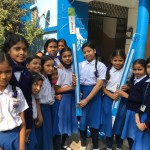
ccckolkata is working with an NGO school in one of the dirtiest areas of the city in KMC ward 59. About 700 children and community adults come into this school daily from neighbouring bustees, slums and degarded urban environments.
- Hand Washing Days / Week
- Toilet sanitation
- Hygiene classes – one Hygiene class per week per school class – 30 minutes
- Weekly Hygiene check up of all children
- Weekend Hygiene Awareness Programmes and Hygiene Dialogues with Teachers, Staff, Coordinators and Managers of the NGO school
- Classroom discussions with IEC materials and teaching aids, developed by ccckolkata in partnership with NGO teachers, staff and children
- Vector borne disease awareness
- NO Plastic days / week
- Know your urban natural resources to conserve – River Hooghly
- windowsil plantation of flower, fruits, vegetables – planted and nurtured by school children and community members
WESH@ektara (February 2017)
WESH@ektara (March 2017)
KNOW THE MOSQUIT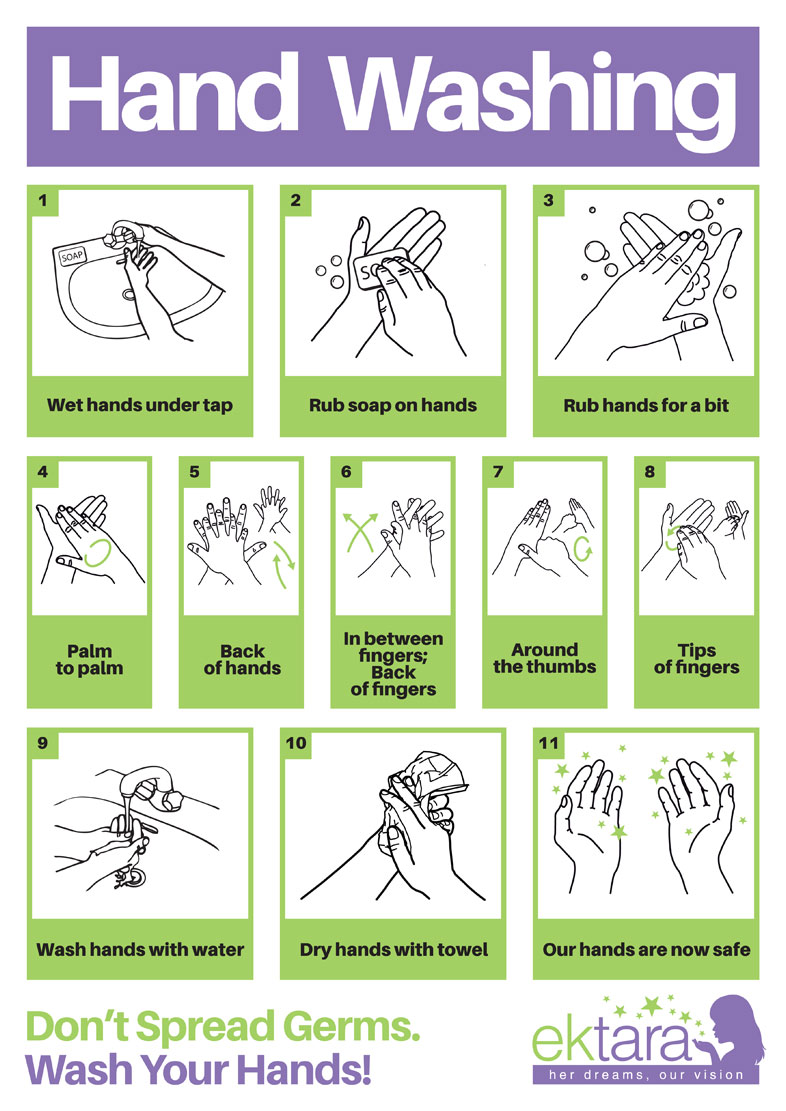
WESH@seth soorajmull jalan balika vidyalaya (ssjbv)
From 2018 ccckolkata will start WESH@ssjbv.