Month: June 2016
PROJECT – Municipal Solid Waste Management by the Youth of Kolkata locally
Segregation, 3 Rs and Composting Municipal Solid Waste in Schools / Colleges of the city of Kolkata
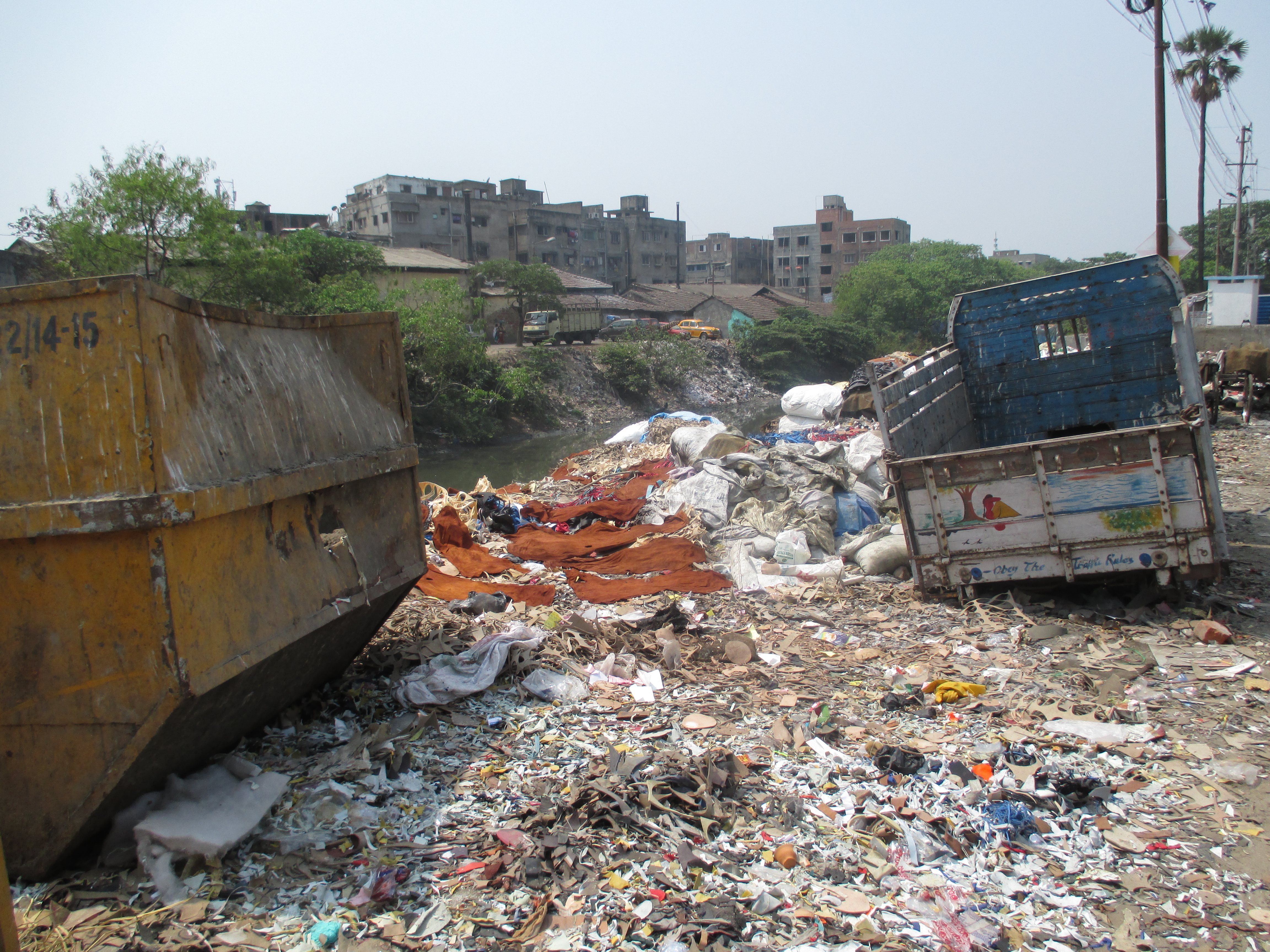
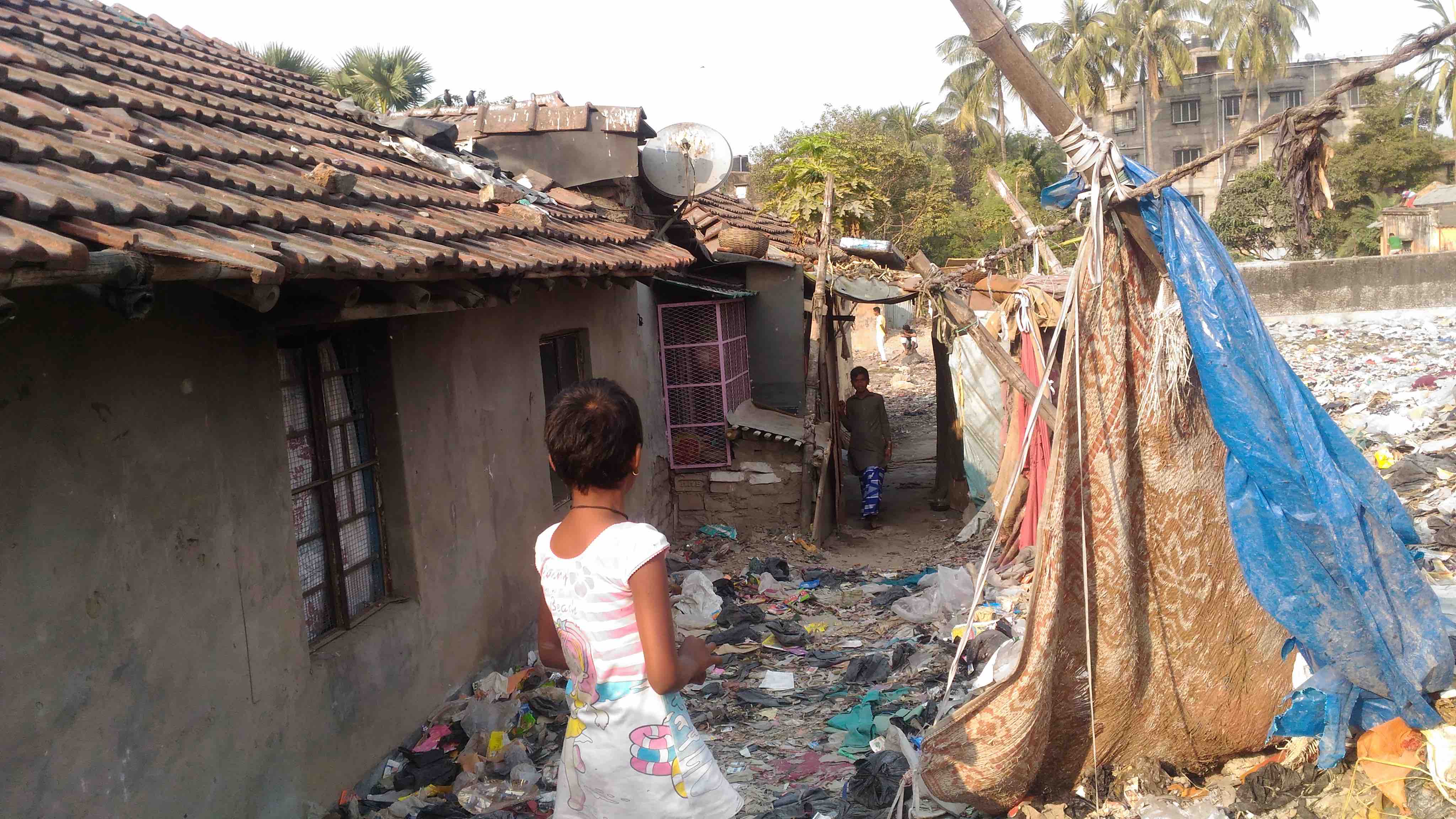
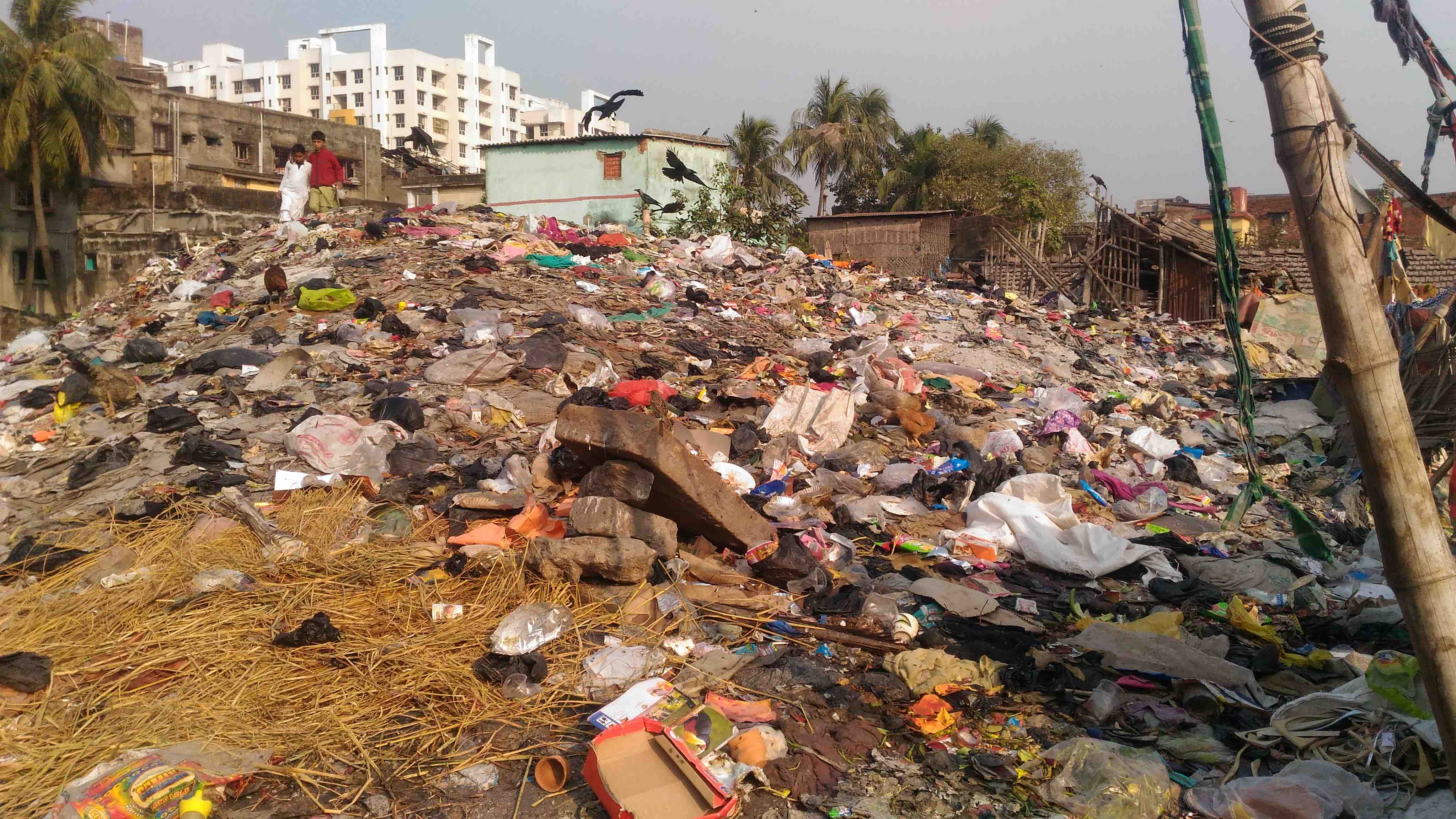
ccckolkata proposes to create awareness about the challenges faced by the city from its Municipal Solid Waste and the urgent need to manage it locally through active participation by the primary stakeholders individually and in groups. Zero Waste Schools, Plastic Free Schools, Composter in Schools to recover resources, redefining “what is waste?” – are actions urgently needed.
PROJECT – SOLAR ROOFTOP & LED IN SCHOOLS / HOUSEHOLDS
Reducing Kolkata City’s Carbon Footprint
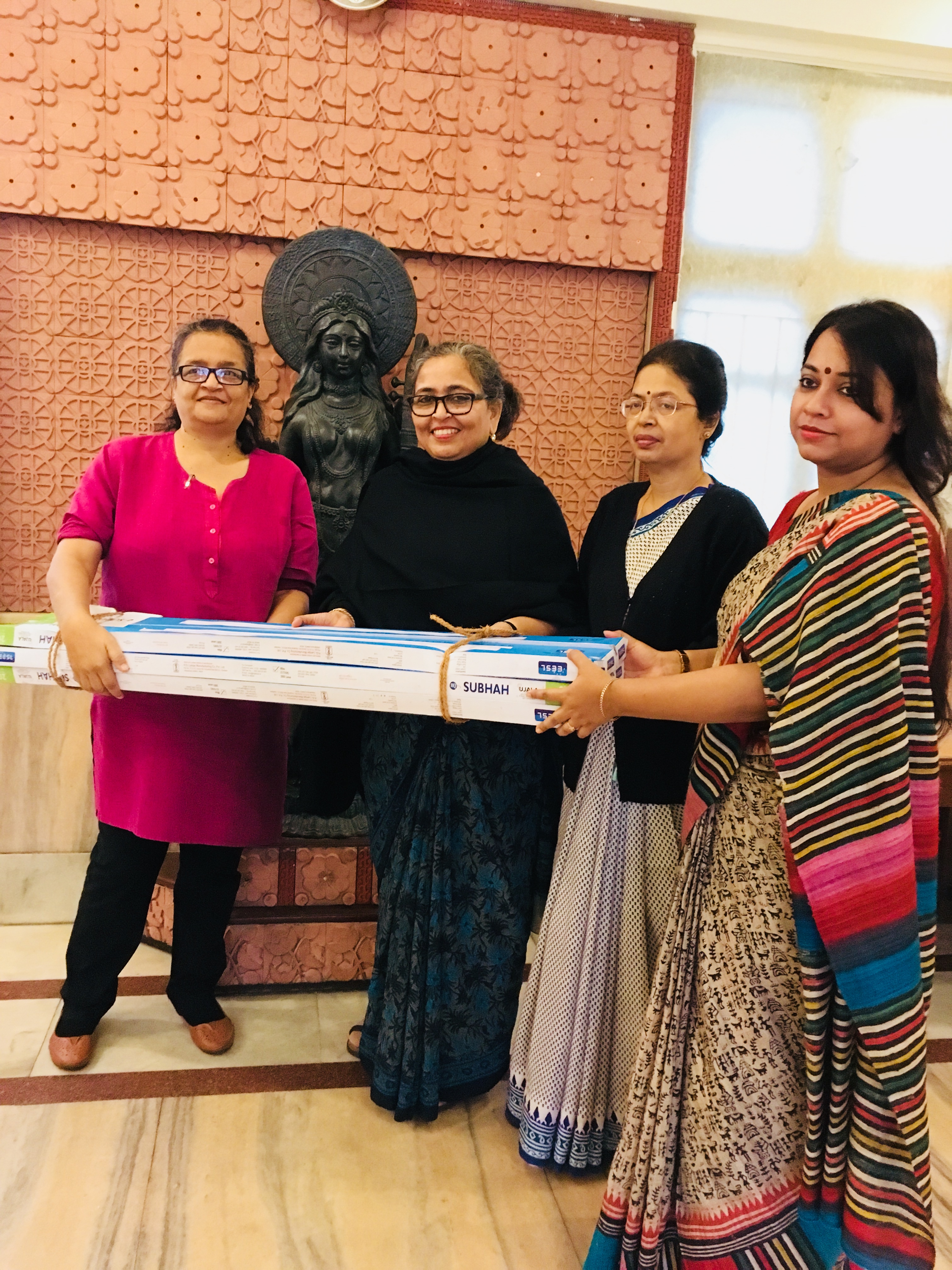
Kolkata city receives more than 2100 hours of great sunshine and yet there are hardly any solar installations in the city. The development model being followed and rampant concretization and formation of urban heat island effect (the temperature ranges upto 6 degrees across the city) is increasingly the norm. ccckolkata is working to create awareness about renewable energy, specially solar energy amongst the youth in schools and colleges. LED as an energy efficient lighting option is also being demonstrated through energy audit in this community.
Similar programmes are also being carried out in the schools for the urban underpriviledged.
PROJECT – From Waste to Resource
Bio-degradeable Municipal Solid Waste to Compost to Kolkata’s Greenery
A major portion of the Municipal Solid Waste is that or organic / bio-degradeable matter which can easily be recovered as a resource. This Programme aims to convert urban Municipal Solid Waste (bio-degradeable) into Compost and then use it as a bio-fertilizer in 700 plus big and small public urban spaces of Kolkata.
PROJECT – Tree Plantation


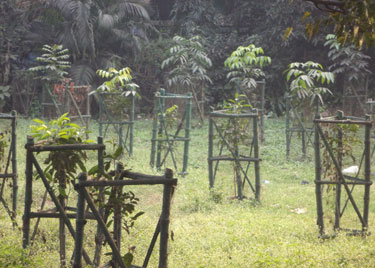
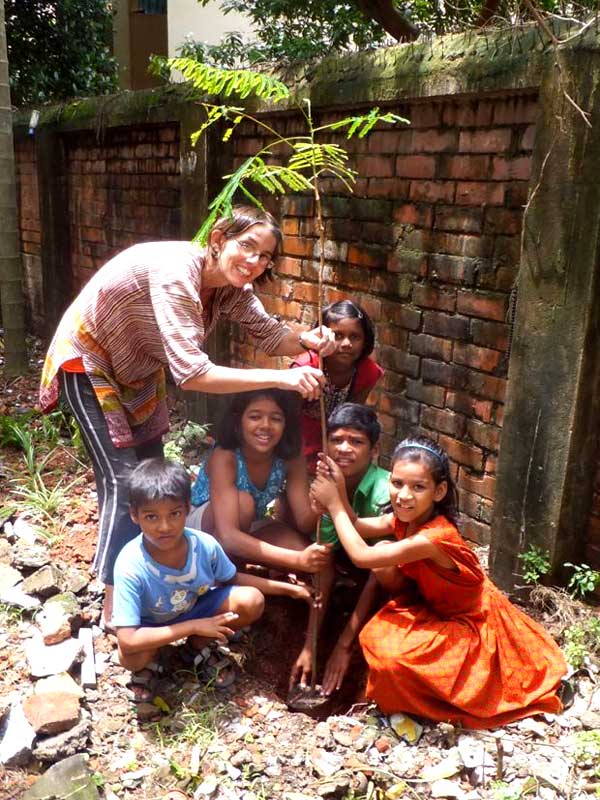
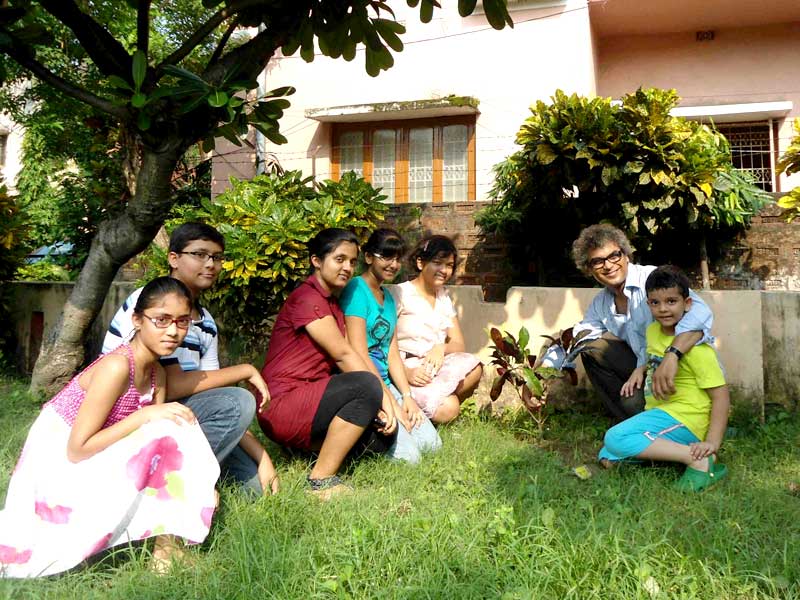
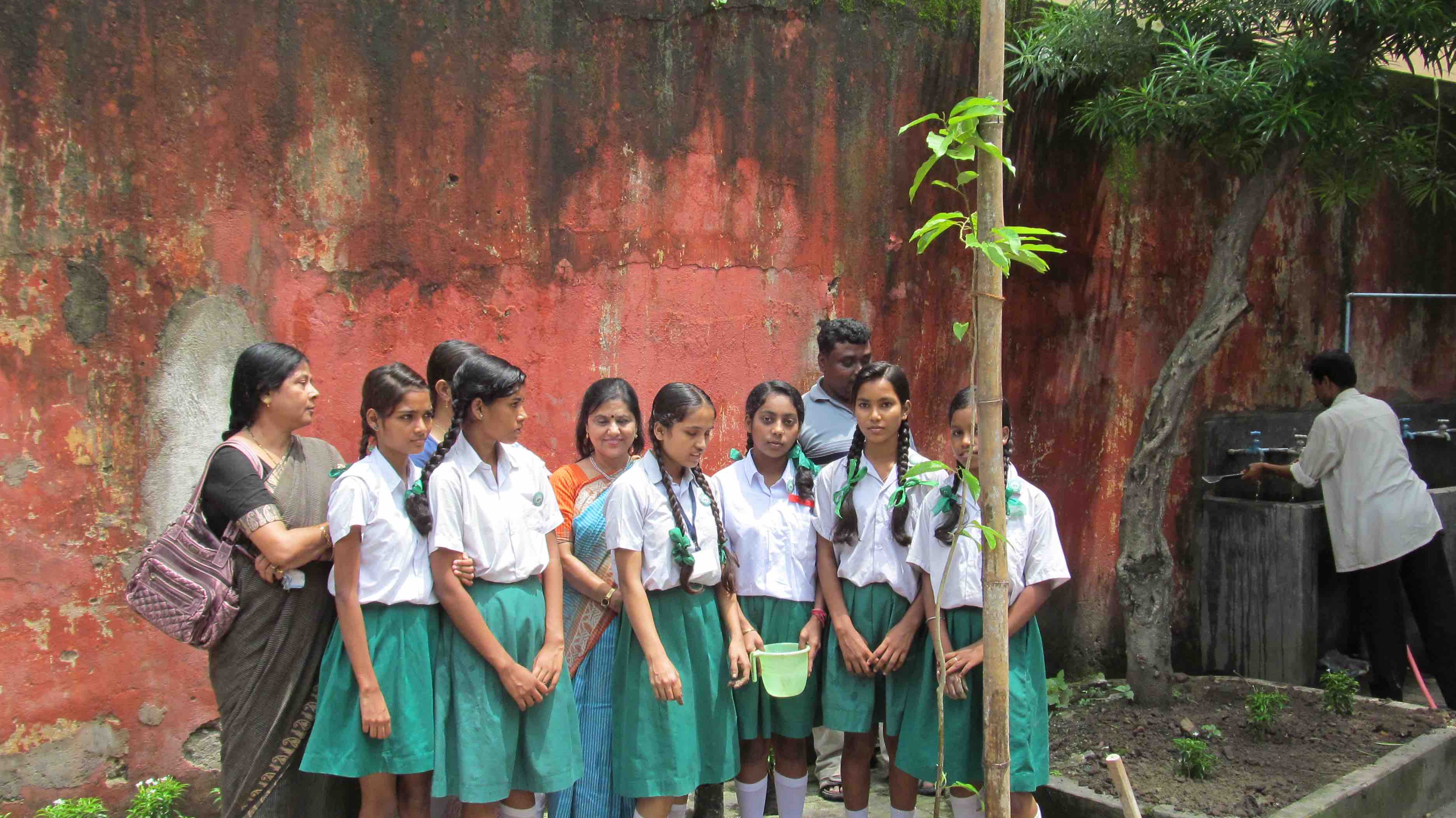
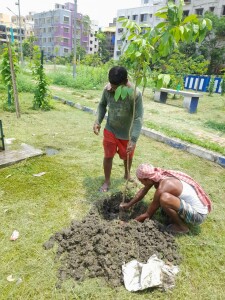
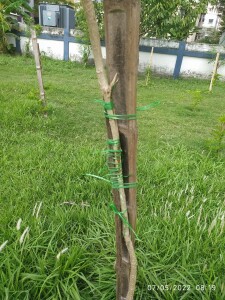
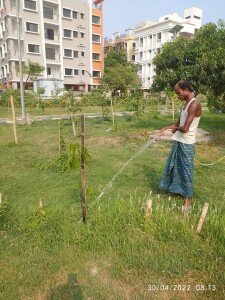
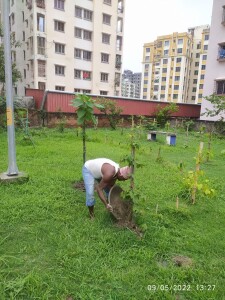
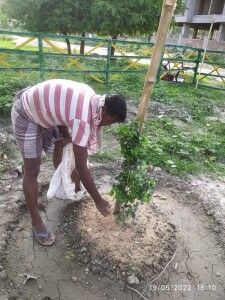
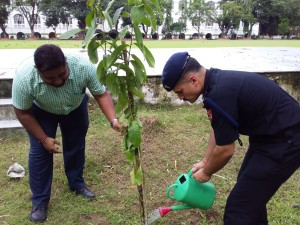
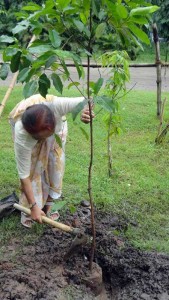
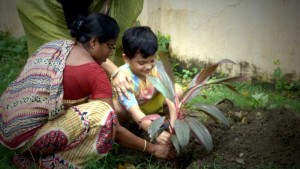
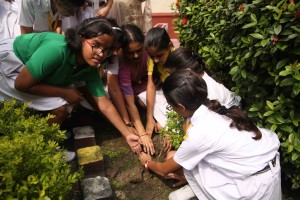
20,000 trees planted in KOLKATA
Moving Towards a Lakh by 2030
Centre for Contemporary Communication is committed to working for Kolkata city’s Urban Bio-Diversity, Ecosystem and Greening. Trees also go a long way for Climate Change Adaptation. Trees reduce intensity and severity of Climate Change impacts. Kolkata city is declared as a climate hotspot by UNFCCC.
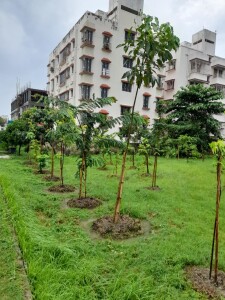
Since 2012, 20,000 trees have been planted in Kolkata with a survival rate of 75%. Trees planted are today 25-30 feet tall and growing.
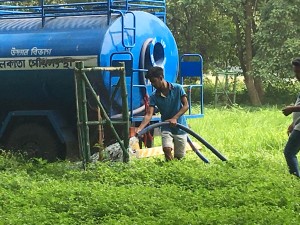
We maintain the trees for a period of 2 years from the day it is planted.


Trees have been planted in Kolkata Maidan, inside Fort William, several City Parks, Community homes, Schools and Colleges, Slums and Bustees, Rabindra Sarobar National Park, Subhash Sarobar and Green Verges in New Town (NKDA), Kolkata.
Our Partners are KMC, KMDA, PWD, NKDA, Corporate Houses, Educational Institutions, Eastern Command at Fort William, other NGOs.


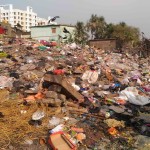
MSW – Reduce & Segregate
Swachh Bharat Mission (SBM) launched on 2nd October 2014, -“Municipal Solid Waste Management (MSWM) refers to a systematic process that comprises of waste segregation and storage at source, primary collection, secondary storage, transportation, secondary segregation, resource recovery, processing, treatment, and final disposal of solid waste in order to achieve scientific solid waste management in the 4,041 cities and towns of the country, home to some 300 million people.”
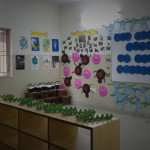
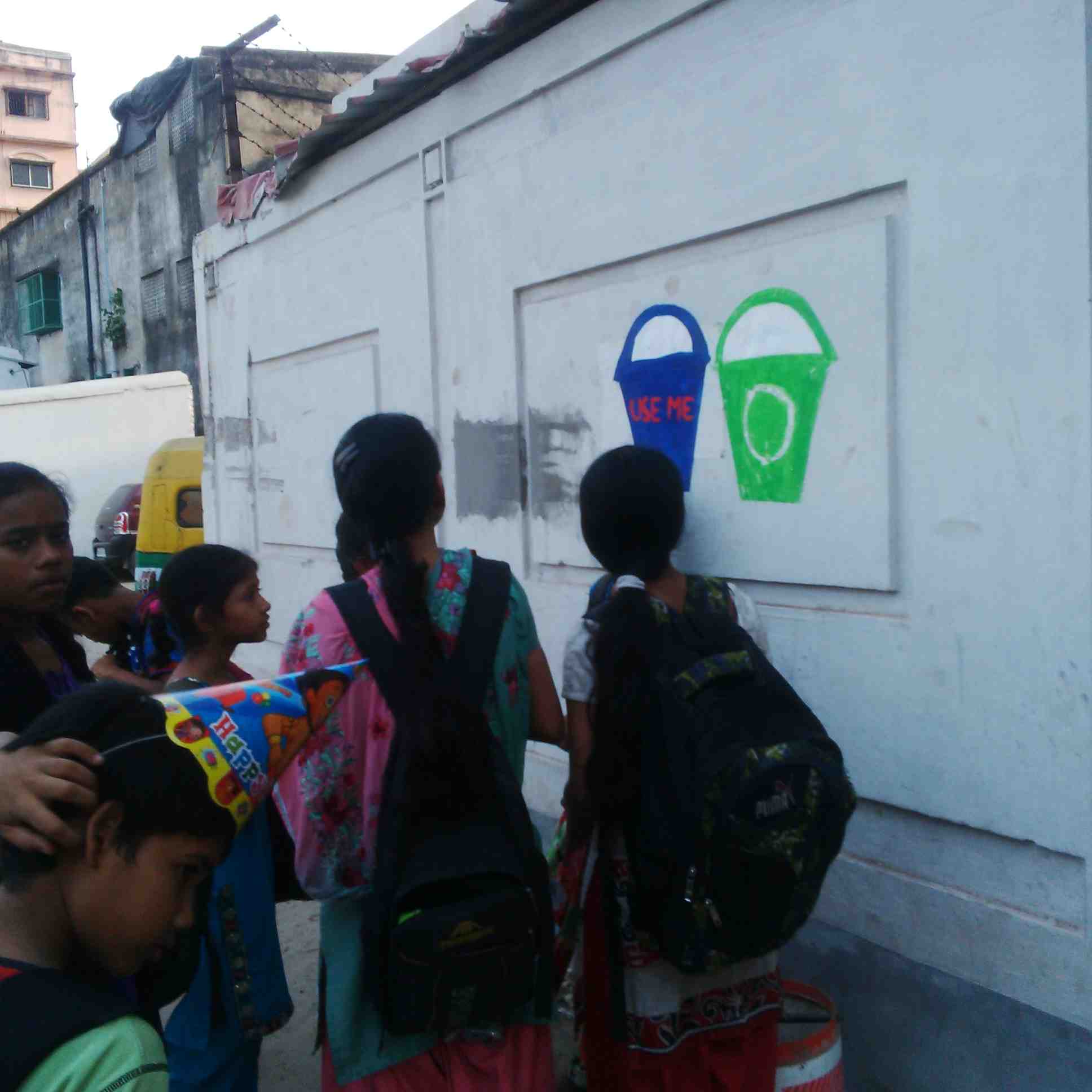
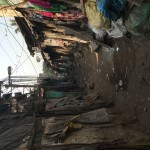
ccckolkata partnered with NGO Ektara (www.ektara.in) in February 2015 for a Project on REDUCE, SEGREGATION for MUNICIPAL SOLID WASTE MANAGEMENT amongst the children and the community of EkTara which comprises of approximately 700 children between the ages of 3+ to 18 years, and close to 100 local community residents from one of Kolkata’s largest Slum – Darapara, inthe Topsia area of KMC Ward # 59, Kolkata city.
The Project initiatives :
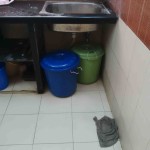
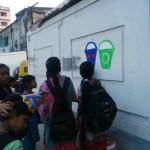
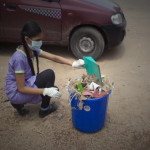
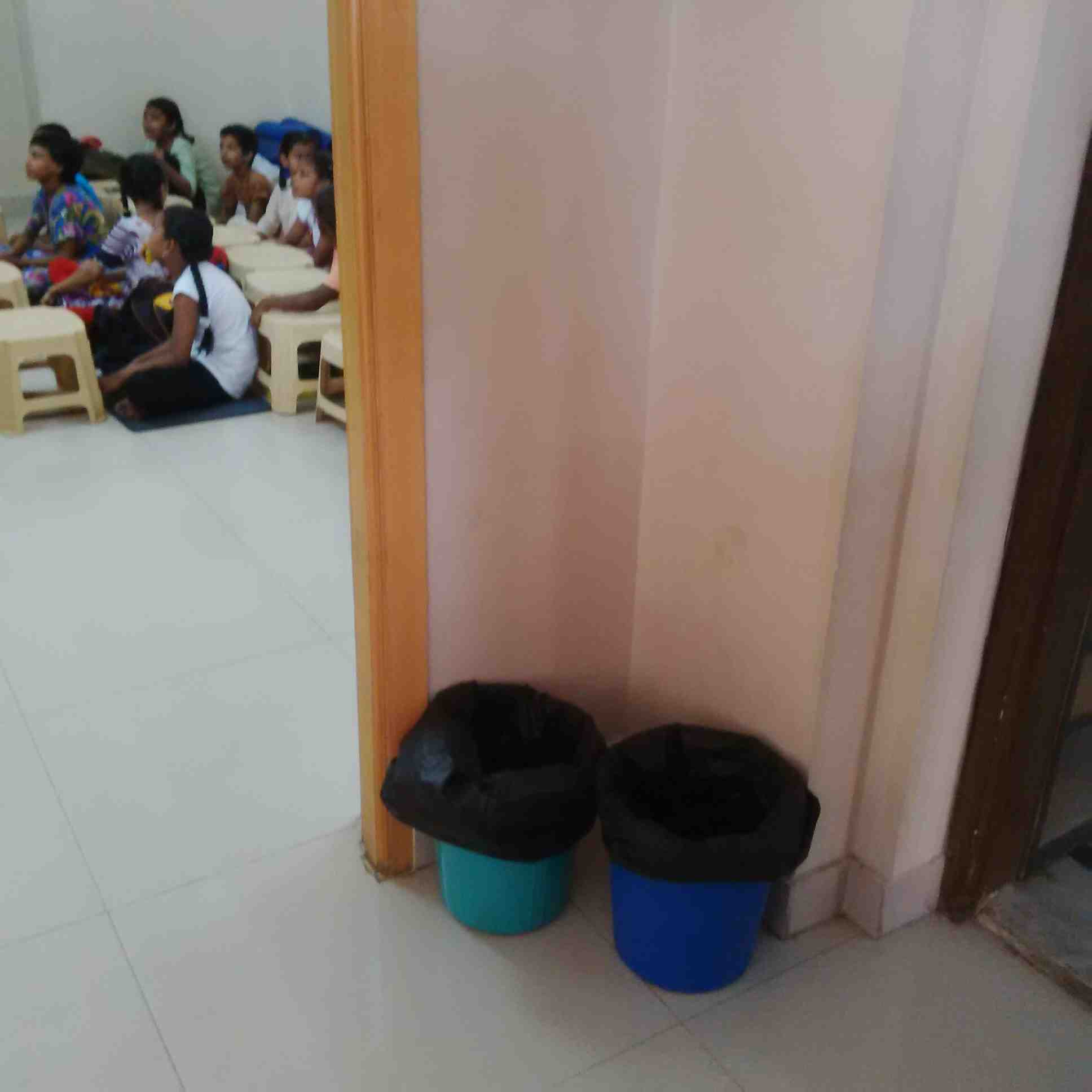
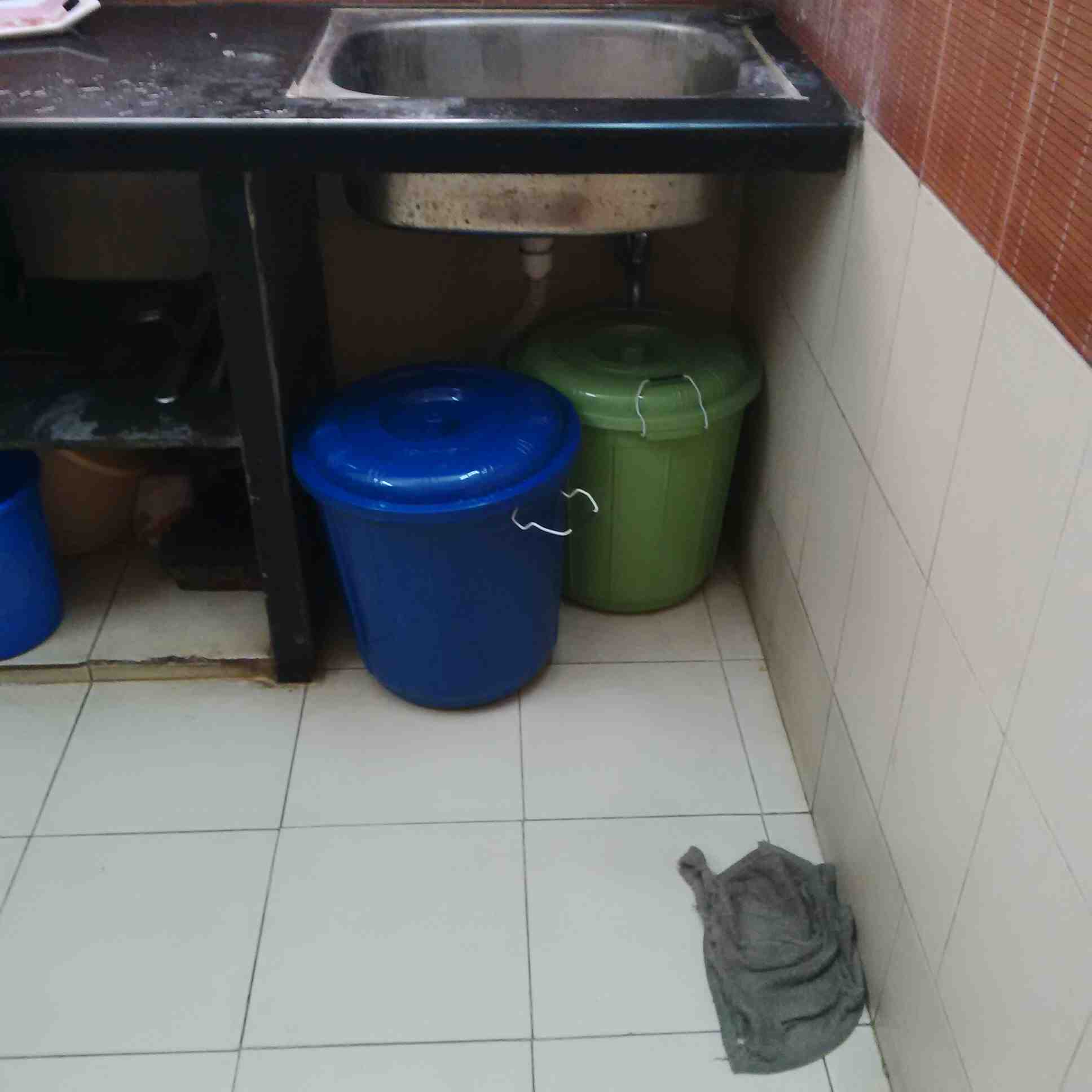
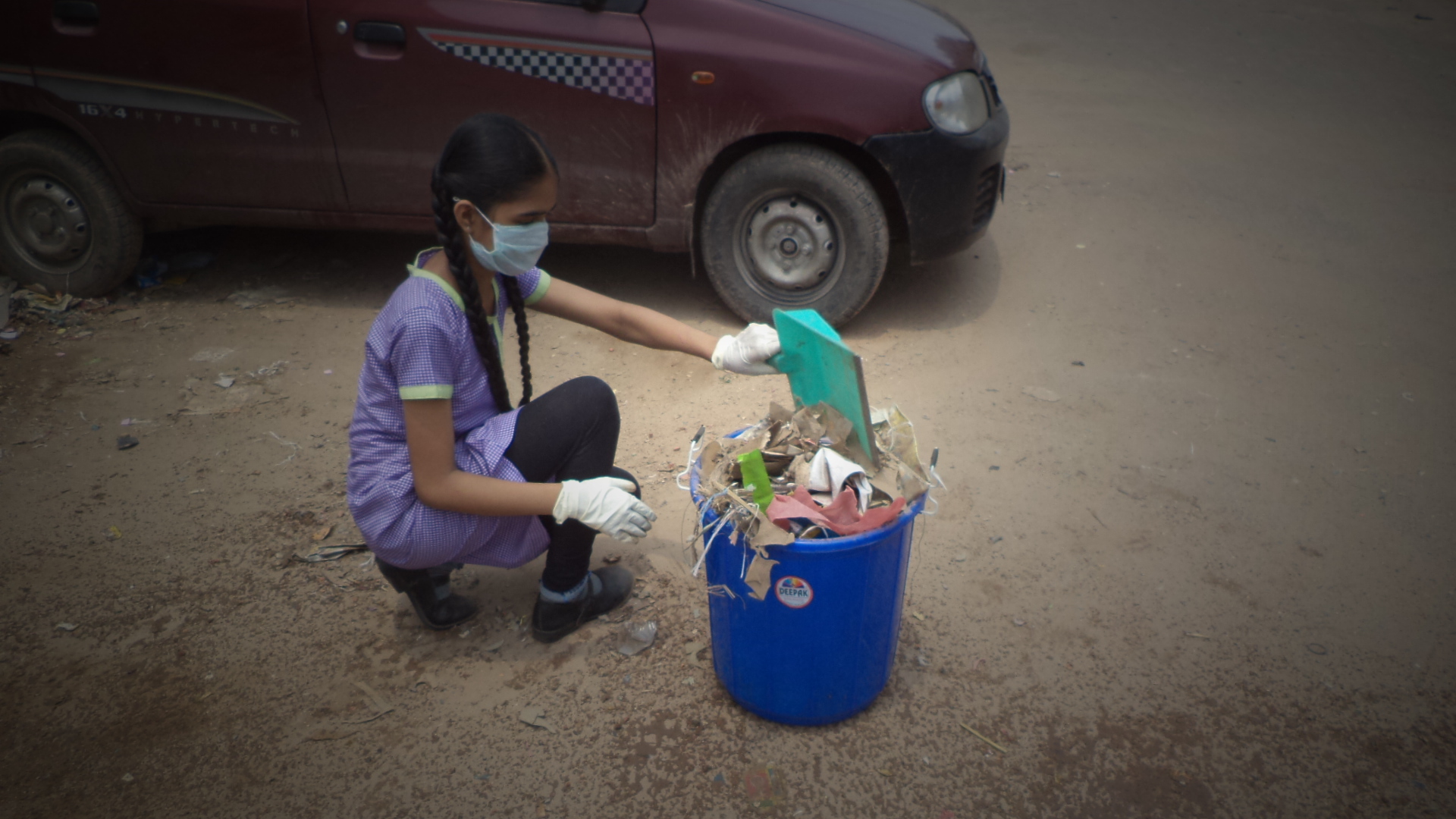
- Waste Segregation – in blue and green bins; in classrooms, in art-rooms, in kitchen, in the income generation programme
- Reduce waste – in choice of food and its packaging, in kitchen, in classrooms, in art-rooms, in workshop
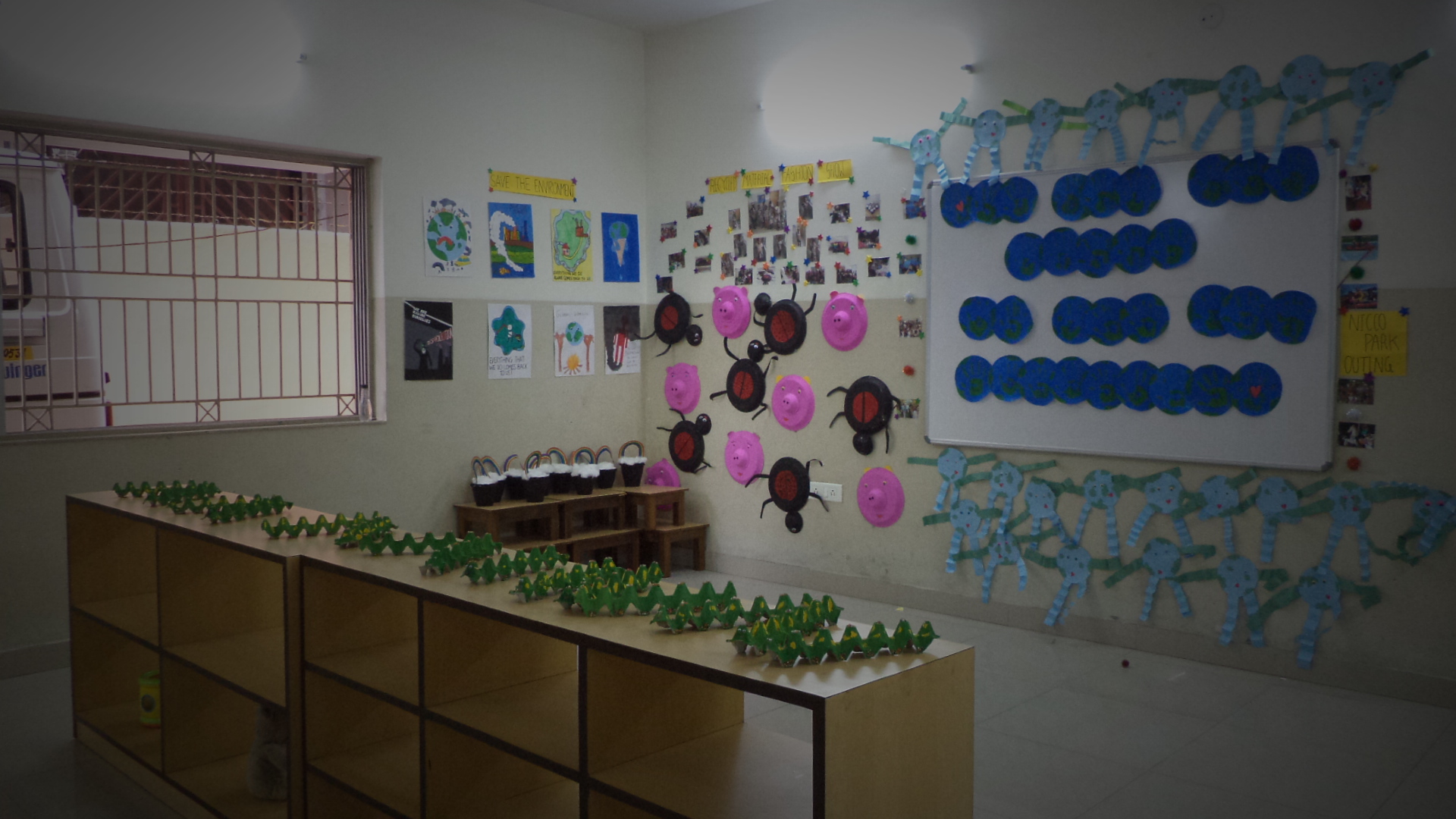
- Reuse & Recycle waste – specially in art rooms, to make daily utility articles like newspaper to paper bags, plastic bottles to planters, Kitchen to Compost, others
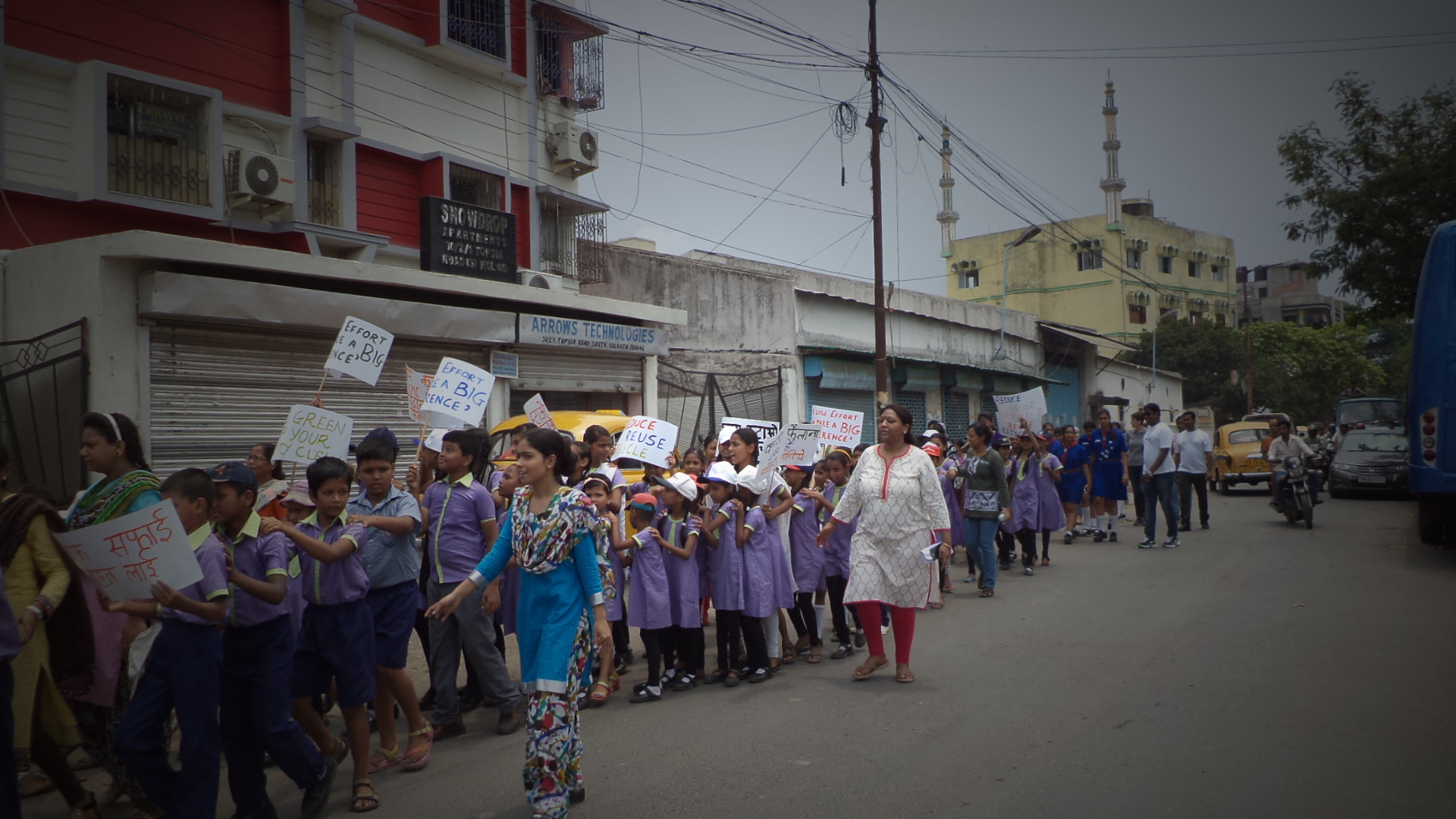
- Reduce Plastic usage – NO PLASTIC DAY observed every Fridays with a target to make Ektara a NO PLASTIC organization; jute shopping bags in the kitchen, purchase of non-wrapper food and raw-materials, children do not bring any plastic bags or plastic wrapped food articles, others. Waste generation has been reduced by close to 80%
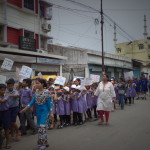
- Dissemination and Awareness Programmes – amongst staff, teachers, children, parents and in the local community
- Observance of Earth Day, Environment Day
- Environment Communication Corner
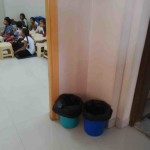
“In MSWM processing and reuse of waste is most important. In this context segregation of waste at source (of generation of waste) becomes critical. It is clear that without segregation, technologies for processing waste, including waste to energy processes, will not work. It is also clear that without segregation, waste cannot be recycled and reused to become a resource. It will at best be collected and transported, but not managed.” NOT IN MY BACKYARD, a CSE Publication, 2016.
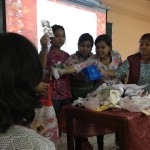
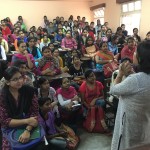
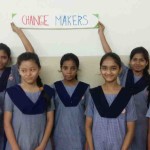
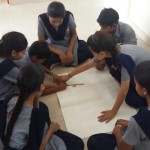
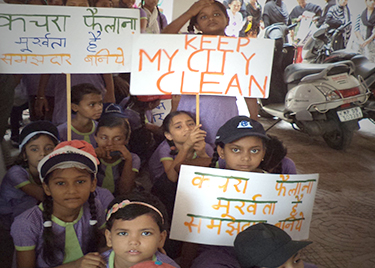
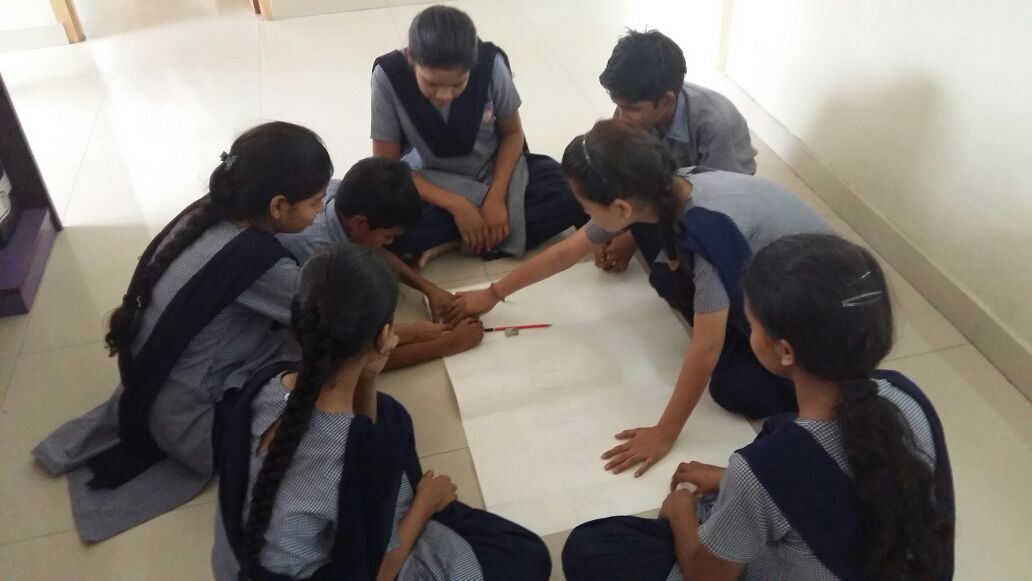
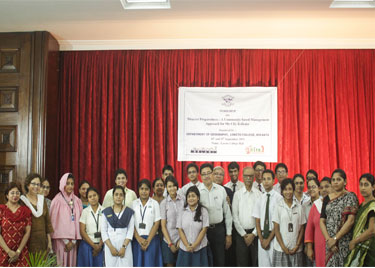
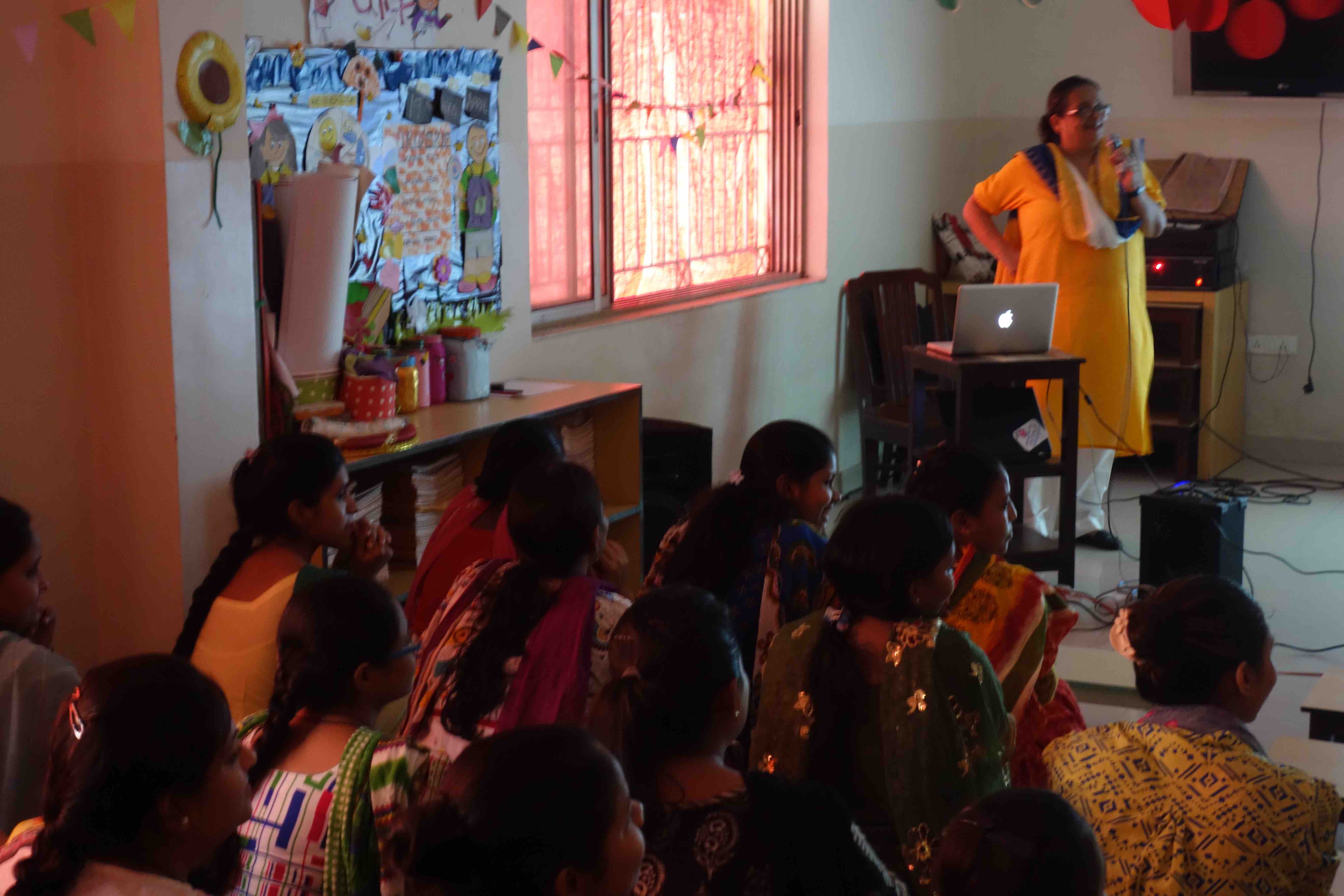
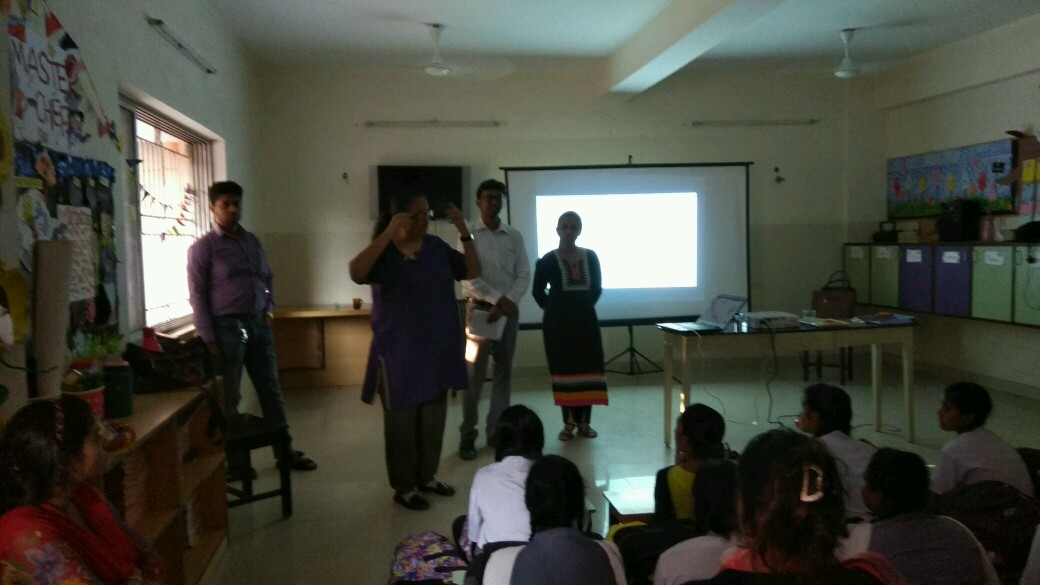
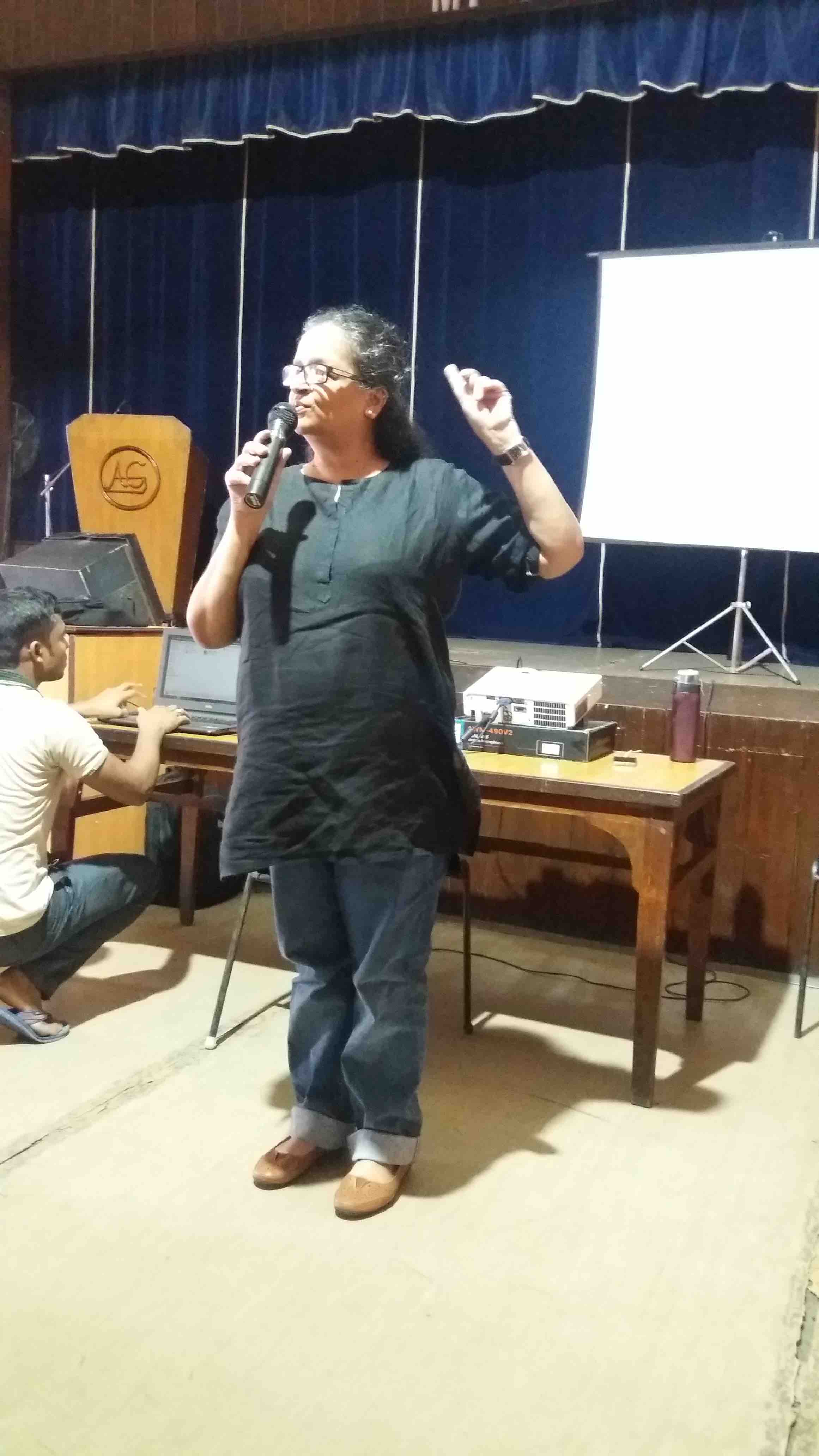
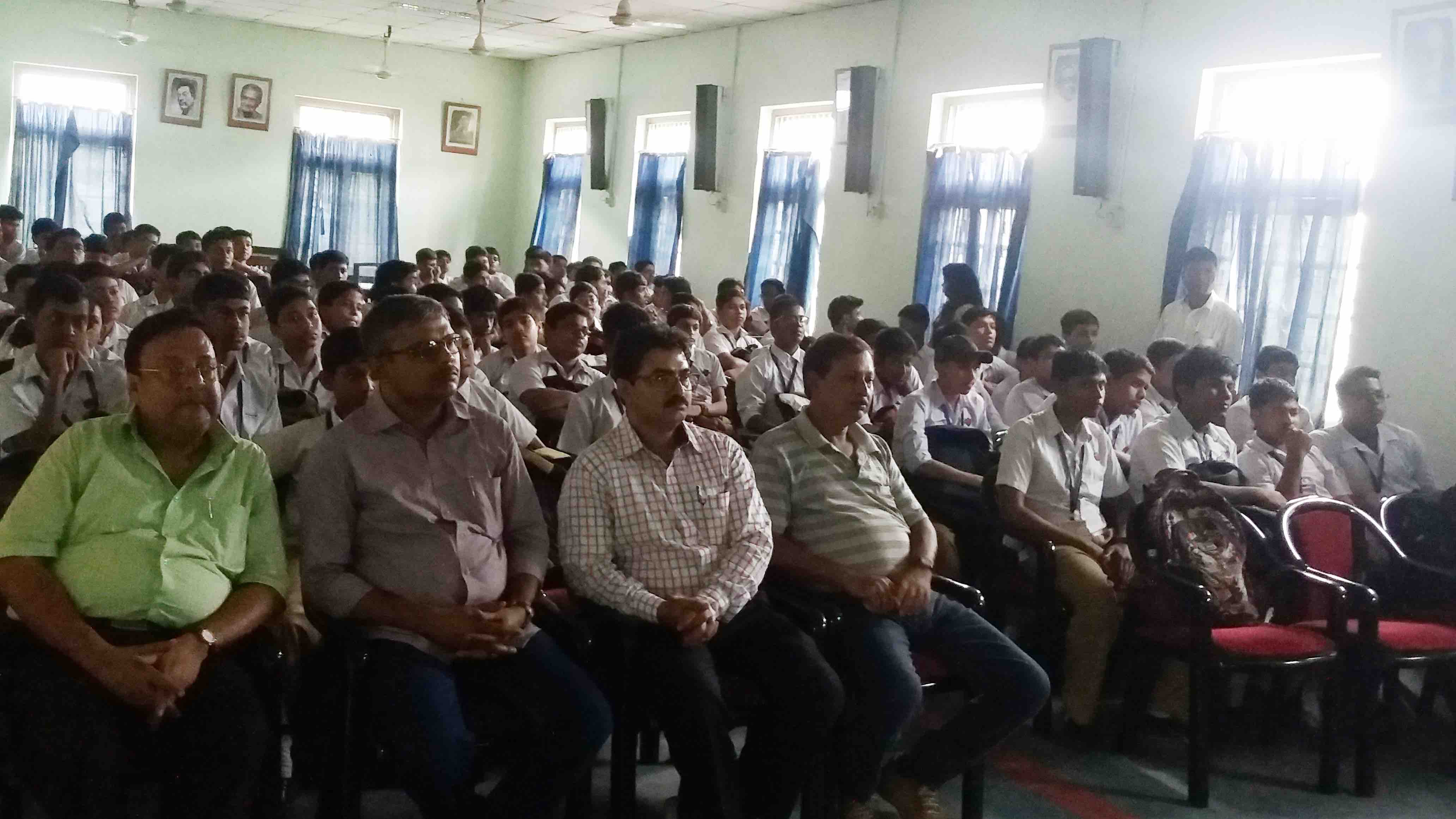
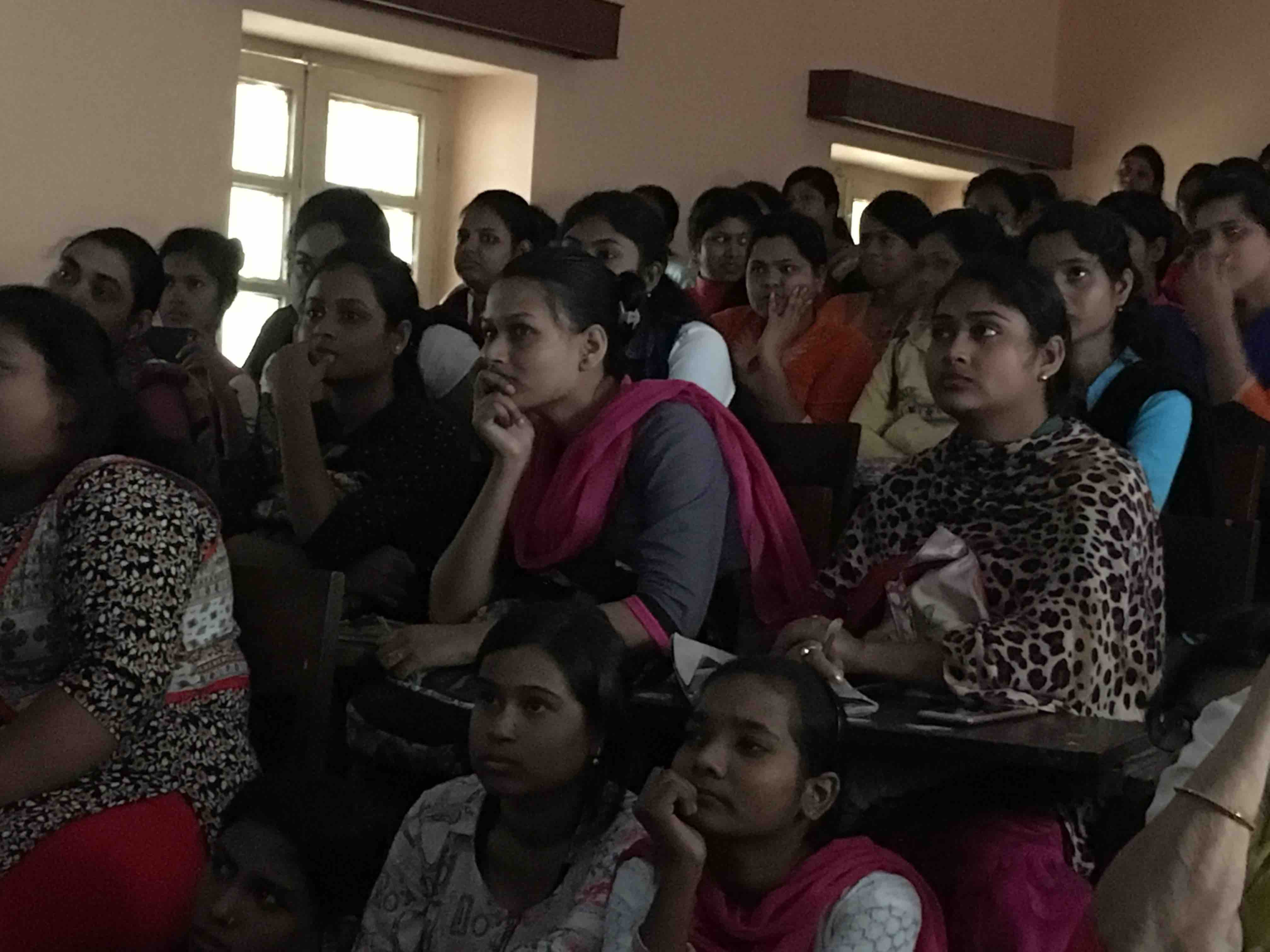
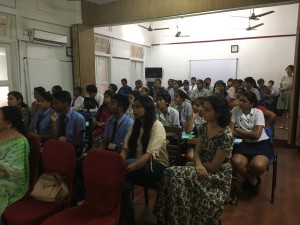
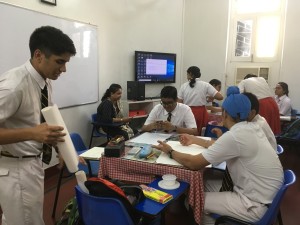
In 2017-18 ccckolkata interacted with 20 schools and 10 colleges over Garbage (MSW) management in their schools and homes. Activities were created by which students themselves segregated mixed waste. Importance of REDUCE and SEGREGATE was discussed with the students and the teachers. Students were made aware about Plastic Pollution.

Urban Parks Conservation
Kolkata city’s urban parks provides the city with several ecosystem functions and enables it to strive for a rich urban biodiversity and ecological balance. Neighbourhoods across the 16 Boroughs and 144 Wards are dotted with big and small urban neighbourhood parks, counting to 750 plus numbers. They give the city its best possibility for greening and planting of trees.
These Parks are urban biodiversity hotspots, and enable climate change mitigation and adaptation; abetment of environmental, especially vehicular, pollution; ground water re-charging; oxygen for breathing; and city commons for the multi-cultural Kolkatans to reach out to each other to forge a unified common identity, and others.
These Parks are maintained and owned by the Kolkata Municipal Corporations (KMC), Kolkata city’s own Local Self Governing (LSG) body.
CCCkolkata is working with KMC and the local community in the conservation of these Urban parks.
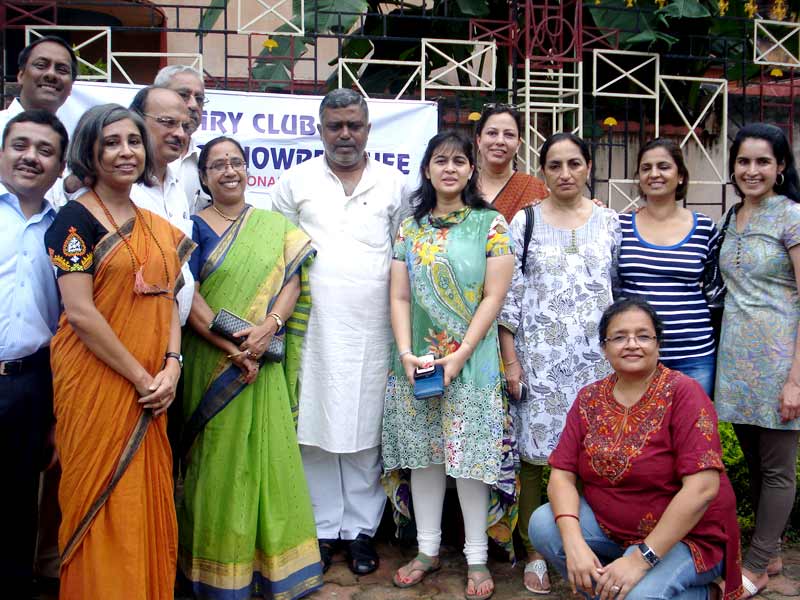
In 2011 – the first self-funded Survey of the Parks was conducted by ccckolkata. Photographs and GPS readings of the Parks were taken. cccolkata covered almost 95% of the Parks. A Parks Map was published by ccckolkata with support from TATA STEEL. A First-Ever Kolkata Parks Directory was published with names of each of the Parks listed under the Burroughs. On World Environment Day 2011 in partnership with the Bengal Chamber of Commerce and Industry (BCC&I) the Parks Map and the Parks Directory was dedicated to the residents of this city by the MMiC (Member, Mayor In Council) of KMC, Shri. Debashish Kumar.
In 2012 – the Parks list was updated by ccckolkata through a process of review of the List by the Borrough Chairperson and the Executive Engineer of Each of the 15 Borroughs of KMC. Some more Parks were added to the List. An updated edition of the Directory was published.
In 2014 – a third Survey of the Kolkata Parks was undertaken by ccckolkata. This was with technical guidance from ISRO-RRSC.
In 2017 – GPS readings have been plotted by ISRO-RRSC on a satellite image and map of KMC on their Bhuban platform.
CCCkolkata’s Survey results and publications are being used by KMC Parks and Gardens Department, and others.
Climate Change & Environment Conversations
ccckolkata believes that the residents of the city must know about Climate Change, how it impacts their homes and city, and how they can and must take urgent action for its mitigation and adaptation.
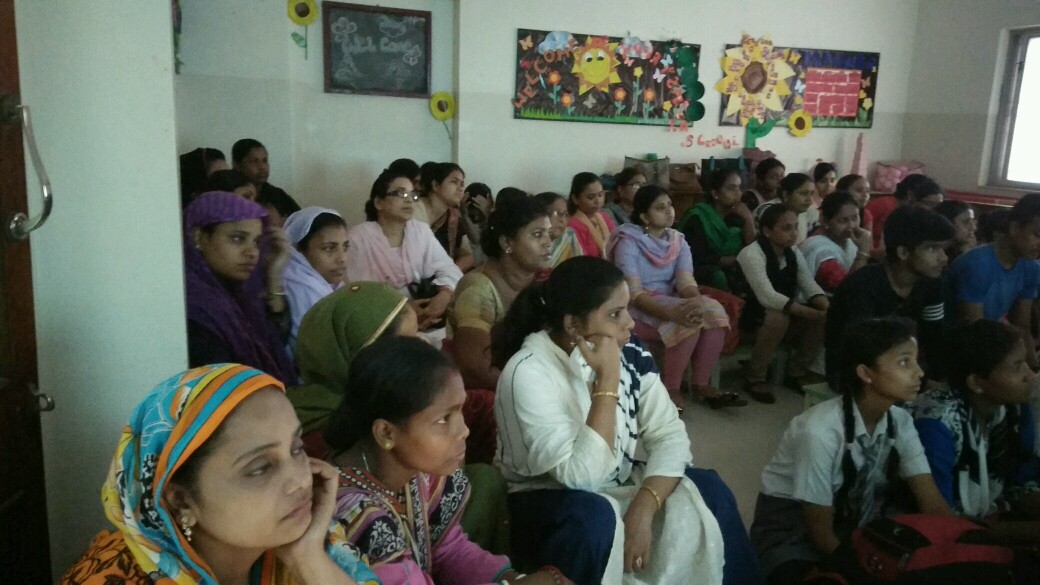
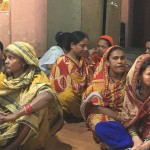
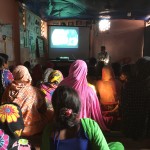
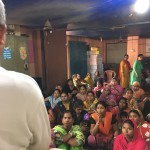
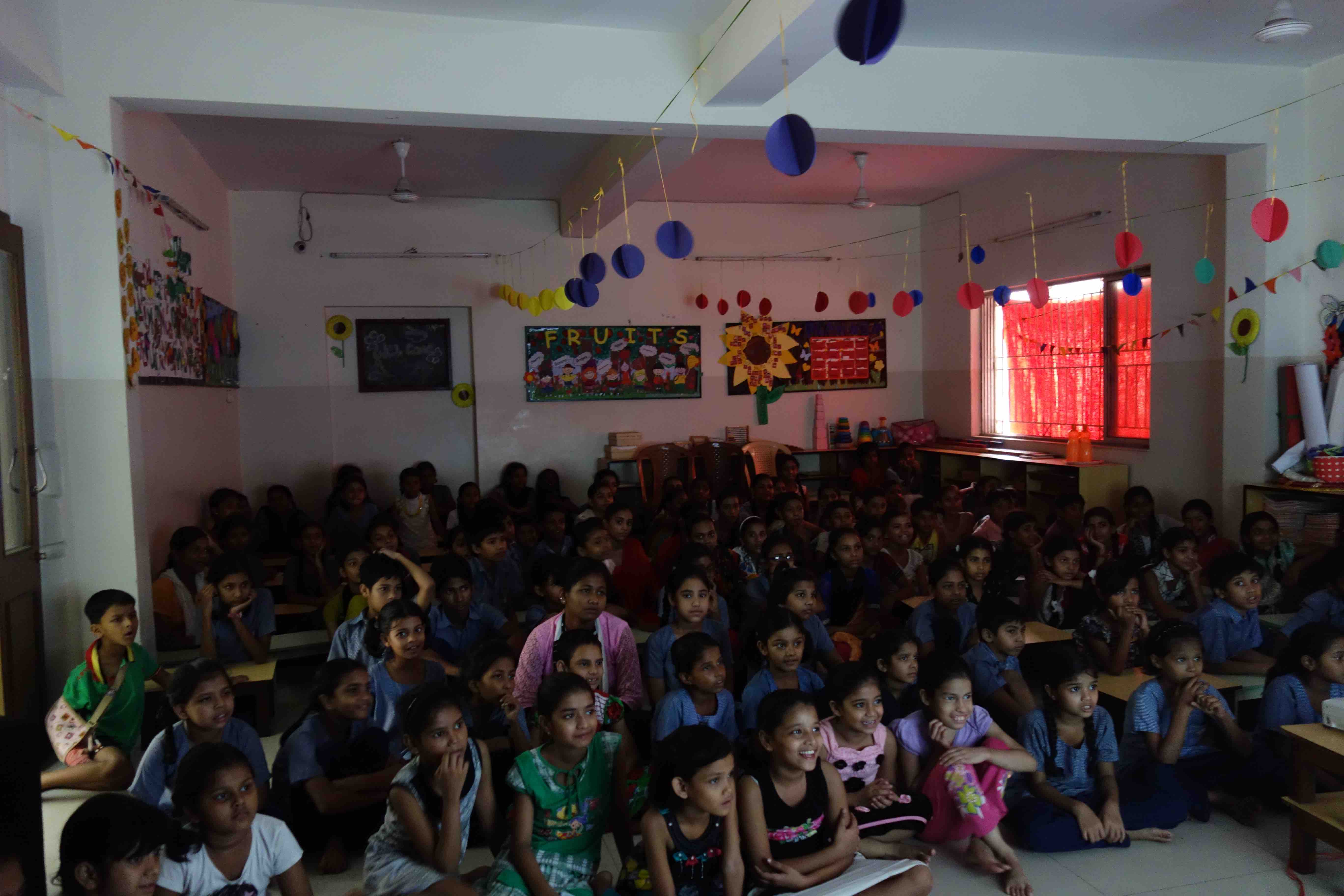
33% of Kolkata city is living in slums and are most likely to be the worst affected due to extreme weather events and increasing temperature including and leading to the wet bulb impact. ccckolkata gets into conversations with this community in partnership with NGOs who are already working in this community. With Tiljala Shed ccckolkata recently interacted with community at the Topsia Bustee.
KOLKATA 2070
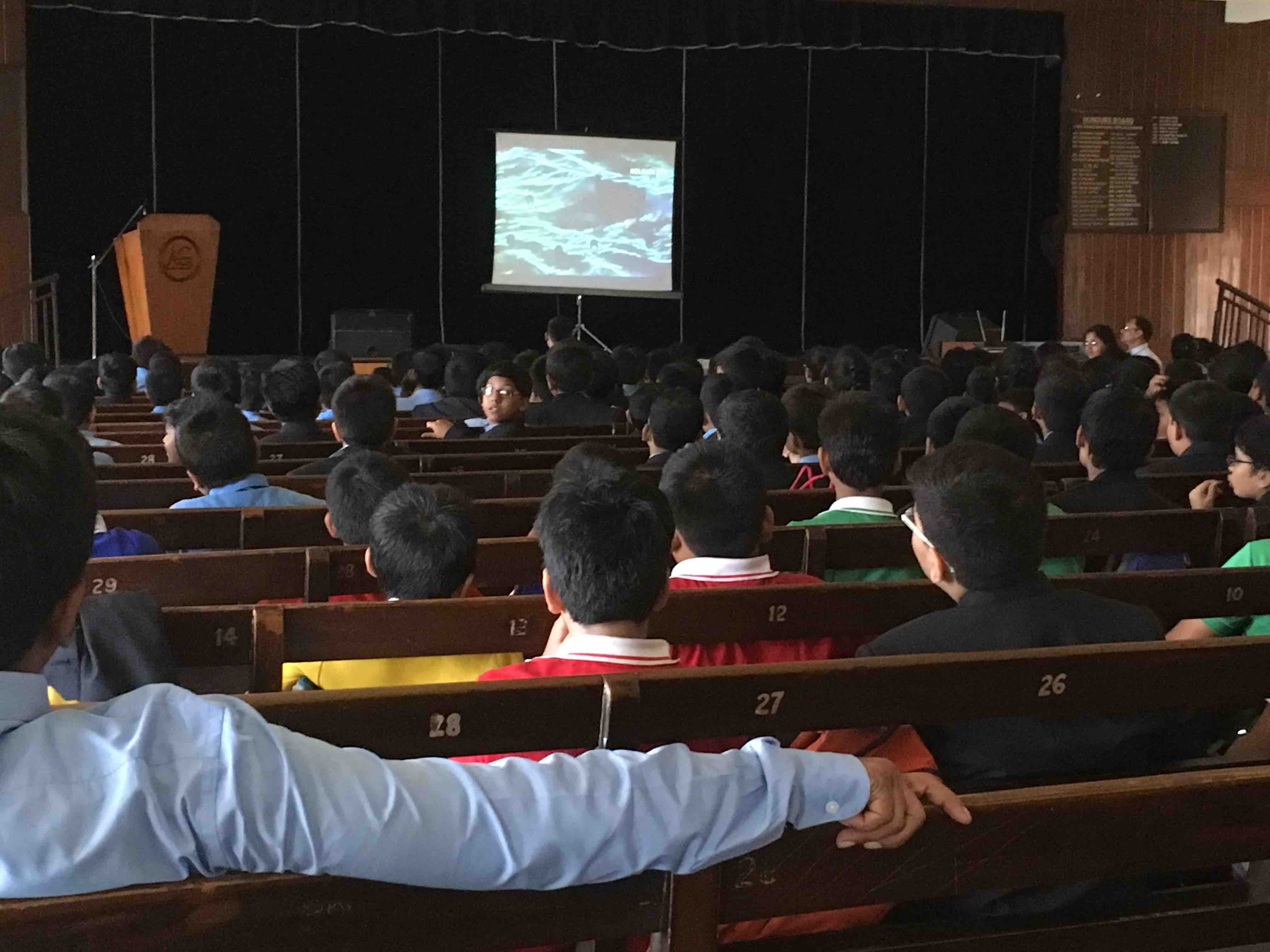
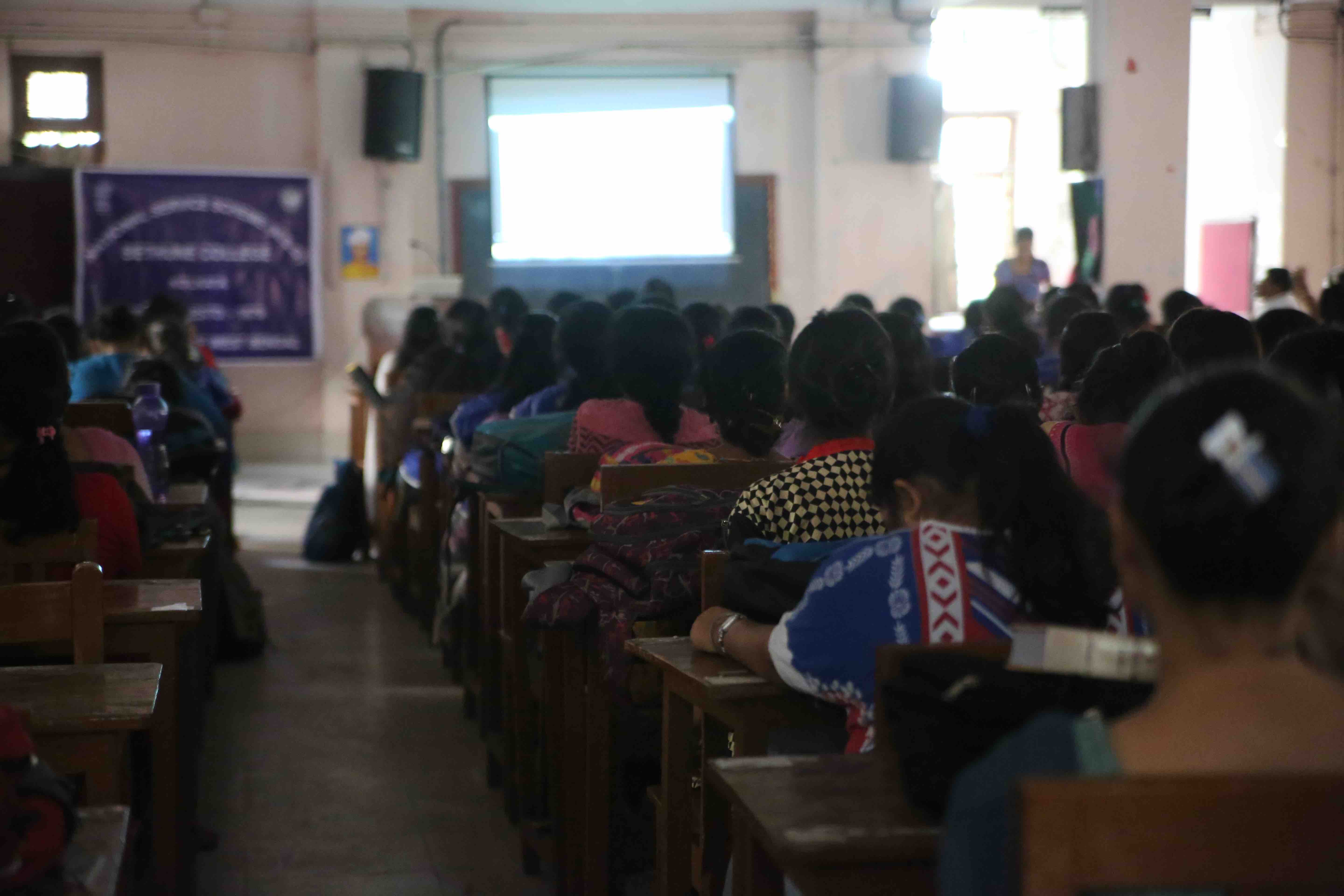
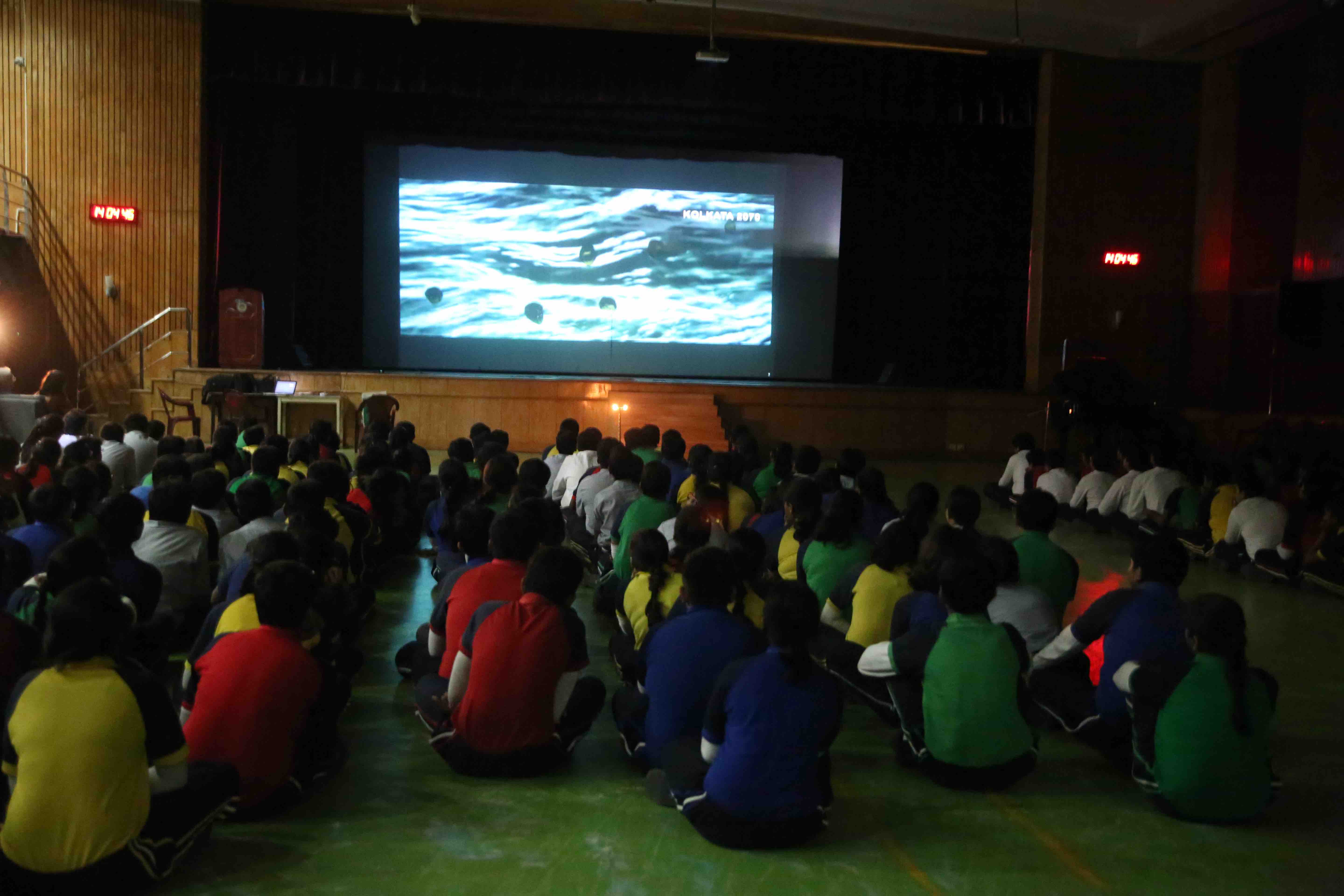
ccckolkata has produced a video titled KOLKATA 2070, in English and Bengali languages. This film is inspired by Vice President Al Gore’s AN INCONVENIENT TRUTH. This film which is 30 minutes in length is initially being shown to 30 select schools (20) and colleges (10) of Kolkata city to create awareness and start a conversation about Kolkata city’s Climate Change and Environmental challenges as predicted and announced by Science and Experts.
KOLKATA 2070 i an important tool for dialogue and conversations.
ccckolkata’s ppt on Climate Change
Climate Change
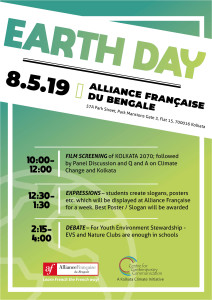
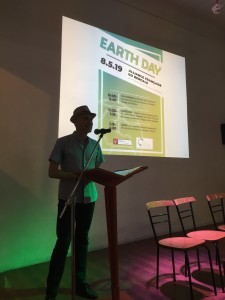
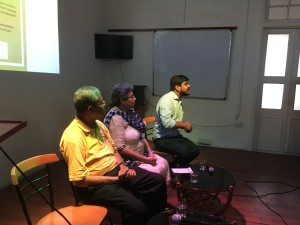
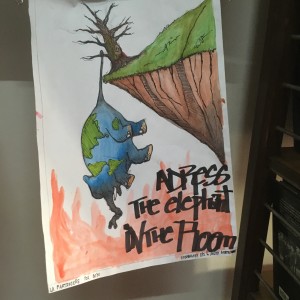
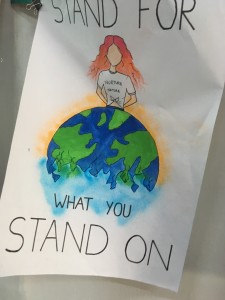
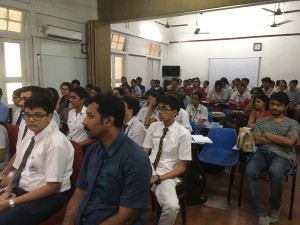
In Partnership with Alliance Franchise du Bengale, ccckolkata organised a day long event at the Alliance Office to commemorate Earth Day 2019. 56 students from 14 schools participated. The Day started with he screening of the Documentary KOLKATA 2070, followed by a Panel discussion by leading experts in Climate Change action, Air Pollution action, and Zero Waste living. This was followed by Expressions where the students in their school groups presented their understanding of climate change through posters and slogans. Finally the day ended with a Debate chaired by Dr. Kunal Sarkar and Judges being Mrs. Rupa Chakravarti, Dr. De, Dr. Tapati Ghosh and Ms. N. Mazumdar Debate Topic being – “For Youth Stewardship, EVS and Nature Clubs in Schools Is Enough”


Young and the Youth. Learning about Climate Change. Developing an understanding about urban bio-diversity and city’s natural resources. Partnerships with schools, colleges, experts such as SCOPE, Nature Mates Nature Club, Dr. Suchitra Ghosh.

Climate Literacy
In Partnership with Alliance Franchise du Bengale, ccckolkata organised a day long event at the Alliance Office to commemorate Earth Day 2019. 56 students from 14 schools participated. The Day started with he screening of the Documentary KOLKATA 2070, followed by a Panel discussion by leading experts in Climate Change action, Air Pollution action, and Zero Waste living. This was followed by Expressions where the students in their school groups presented their understanding of climate change through posters and slogans. Finally the day ended with a Debate chaired by Dr. Kunal Sarkar and Judges being Mrs. Rupa Chakravarti, Dr. De, Dr. Tapati Ghosh and Ms. N. Mazumdar Debate Topic being – “For Youth Stewardship, EVS and Nature Clubs in Schools Is Enough”


Young and the Youth. Learning about Climate Change. Developing an understanding about urban bio-diversity and city’s natural resources. Partnerships with schools, colleges, experts such as SCOPE, Nature Mates Nature Club, Dr. Suchitra Ghosh.

CSR Project Consultancy
The Ministry of Corporate Affairs has notified Section 135 and Schedule VII of the Companies Act 2013 as well as the provisions of the Companies (Corporate Social Responsibility Policy) Rules, 2014 to come into effect from April 1, 2014.
With effect from April 1, 2014, every company, private limited or public limited, which either has a net worth of Rs 500 crore or a turnover of Rs 1,000 crore or net profit of Rs 5 crore, needs to spend at least 2% of its average net profit for the immediately preceding three financial years on corporate social responsibility activities. The CSR activities should not be undertaken in the normal course of business and must be with respect to any of the activities mentioned in Schedule VII of the 2013 Act.
CCCkolkata works with NGOs, and Corporate Sector for the compliance of the above.
- CAPACITY BUILDING OF NGOs
- NGO MANAGEMENT
- MONITORING
- BUDGETING
- CSR COMPLIANCE
- CSR AUDIT
- POLICY
- OTHERs